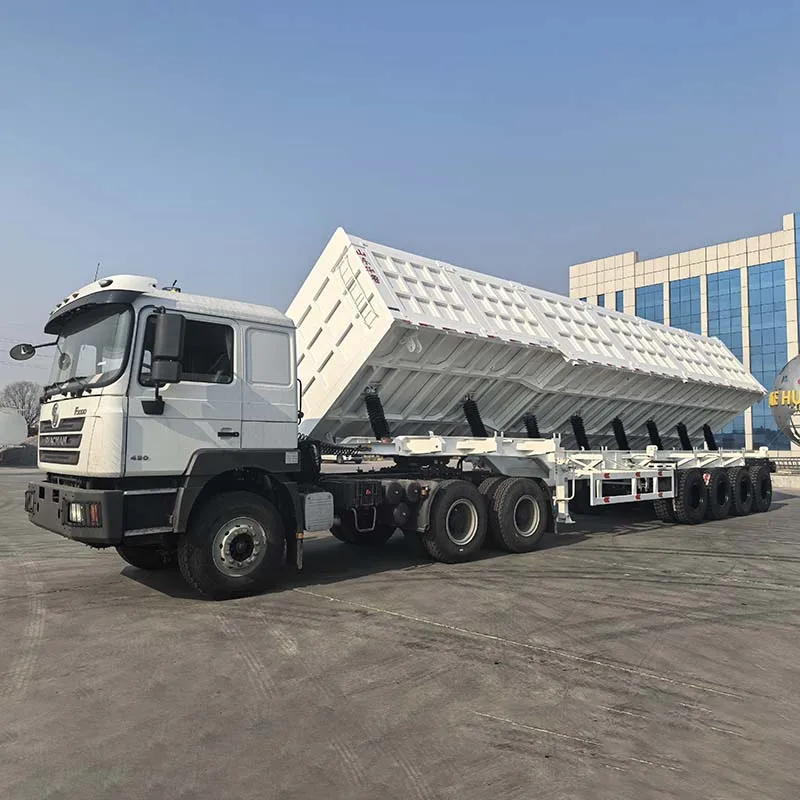
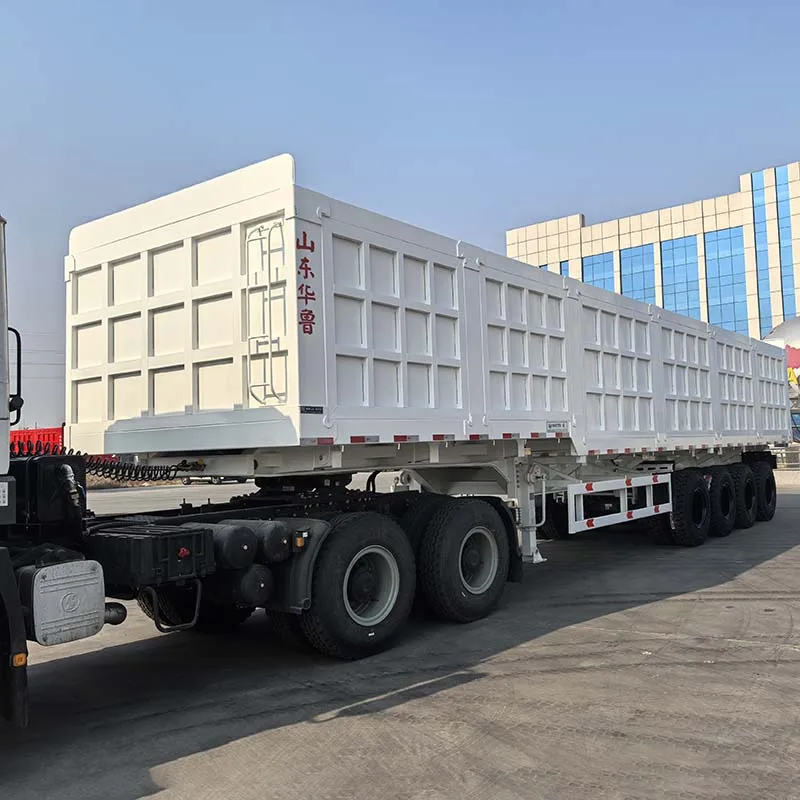
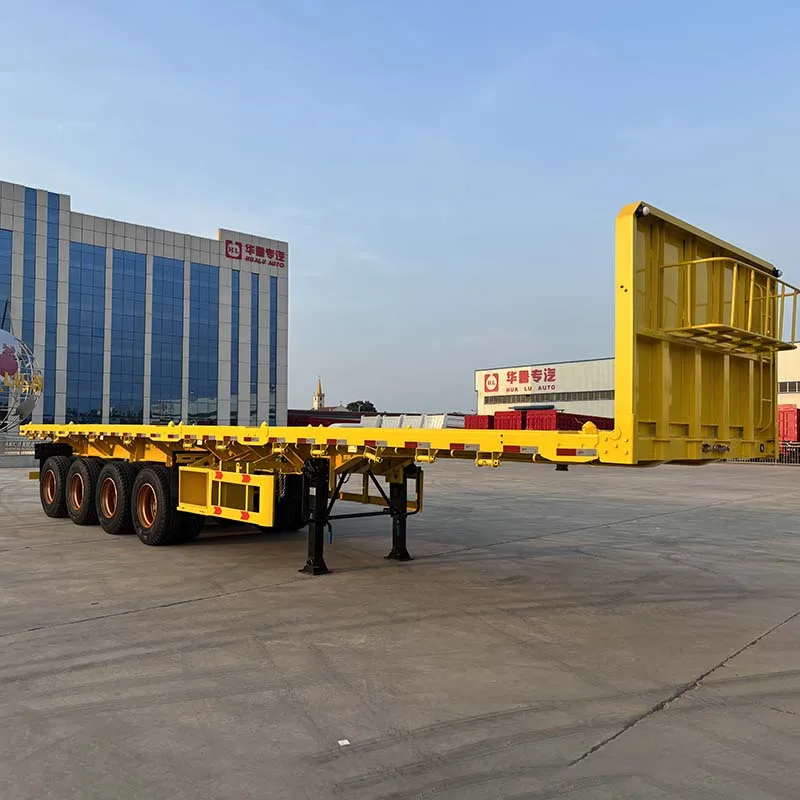
A heavy-duty 4-axle side tipper semi-trailer designed for efficient bulk cargo transport, with customizable size, optional configurations, and a side tipping system to help customers unload faster in restricted job sites.
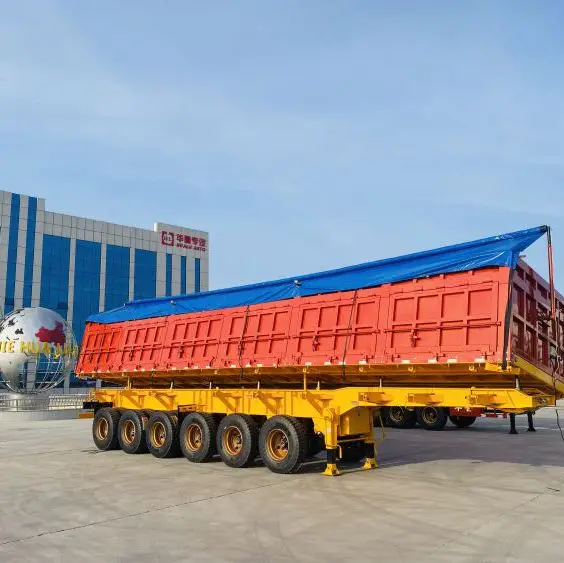
A heavy-duty 6-axle side tipper semi-trailer designed for high-volume bulk transport, with customizable size, optional configurations, and a side tipping system to help customers discharge cargo efficiently in narrow or uneven working areas.
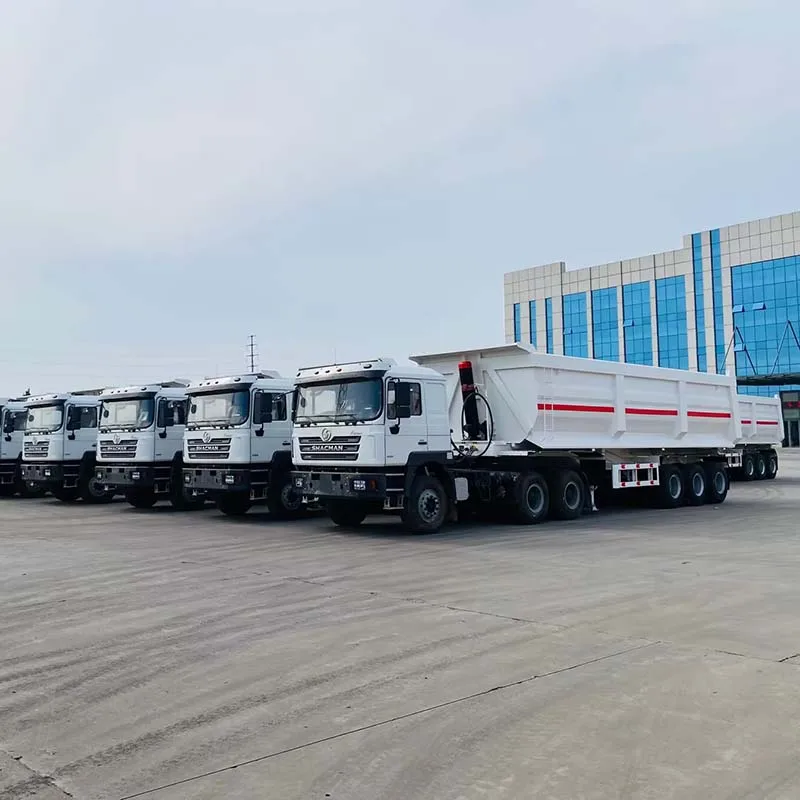
In Ghana, a haulage operator ordered 100 Hualu 4-Axle Side Dump Semi-Trailers to handle demanding work from quarry pits to construction corridors. Under the hot sun and on dusty, uneven roads, these trailers kept their low center of gravity, staying stable even with heavy loads. The wide body offered large capacity, so each trip carried more sand, gravel, crushed stone, or soil. Side dumping released cargo quickly and cleanly, cutting waiting time and raising daily output. Drivers felt safer on sharp bends and rough ground, while the strong structure resisted constant use. With 100 units in service, the fleet moved more material with fewer trips, turning every route into better efficiency and profit. For Ghana’s toughest transport challenges, the Hualu 4-Axle Side Dump Semi-Trailer proved stable, spacious, and built to carry more.
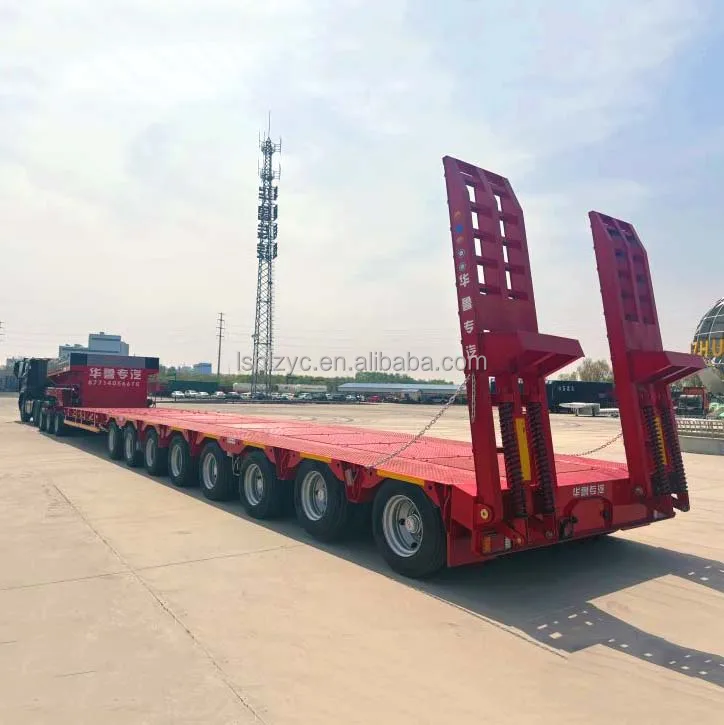
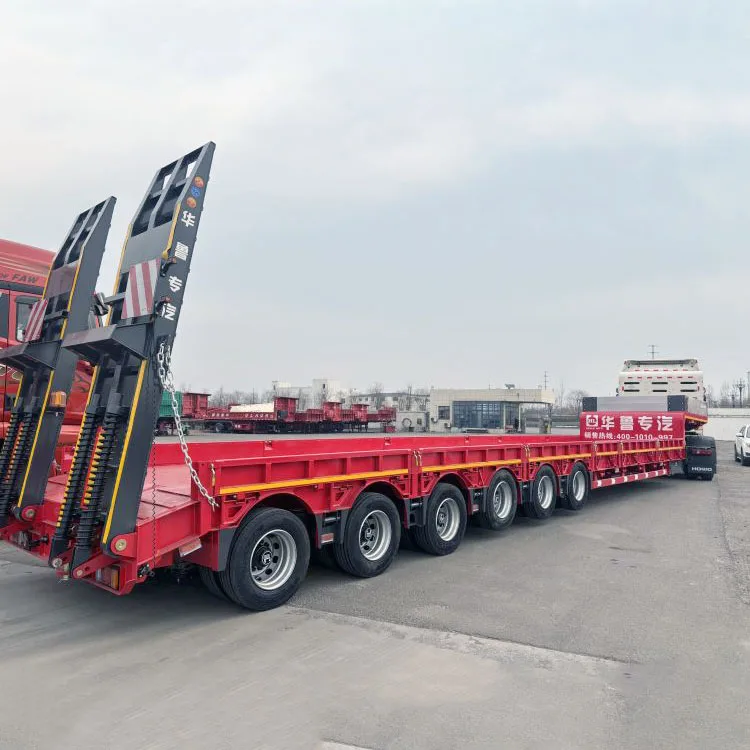
A heavy-duty 8-axle lowboy semi-trailer designed for oversized and ultra-heavy transport, with customizable size, optional configurations, and a low deck structure to help customers move large machinery, mining equipment, and project cargo more safely and efficiently.
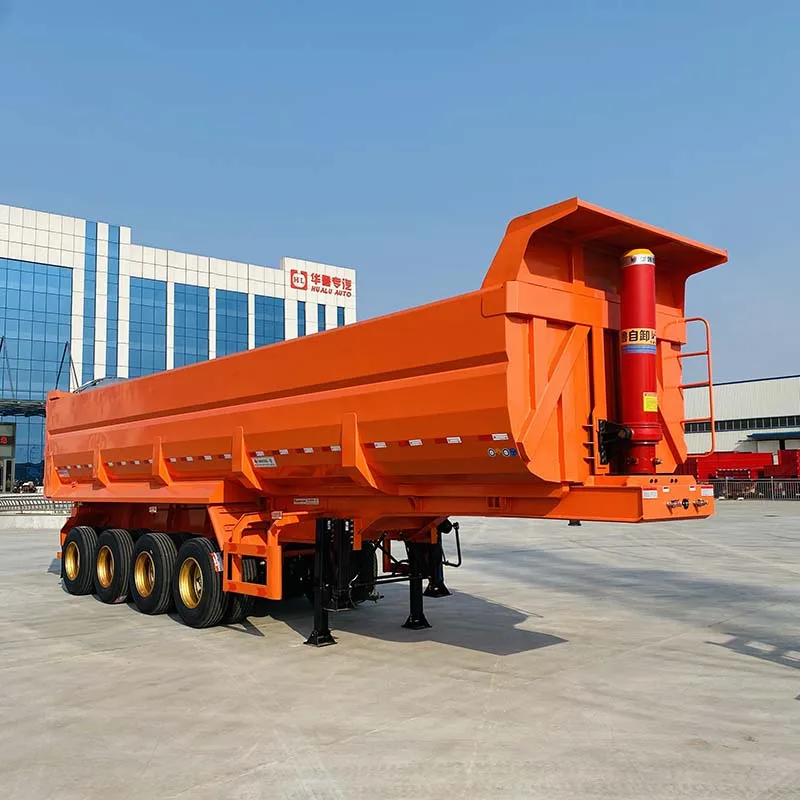
A heavy-duty 3-axle rear dump semi-trailer designed for bulk cargo transport, with customizable size, optional configurations, and a powerful rear tipping system to help customers move sand, stone, ore, coal, and construction materials more efficiently.
Under Ghana’s blazing sun, on roads that shift from paved highways to red-dust quarry tracks, a haulage operator faced a daily battle: move more cargo, unload faster, and keep every truck safe on uneven ground. The answer arrived in a fleet of 100 Hualu Rear-Dump Semi-Trailers.
From busy construction corridors around Accra to inland supply routes, these trailers went straight to work. One morning they hauled sand and crushed stone; by afternoon, they were moving gravel, soil, or other bulk materials. The rear-dump design let the load slide out cleanly and quickly. Compared with older equipment, unloading became 10% faster, shortening cycle times and putting more trips into every working day.
The stable center of gravity made a real difference. On sharp bends, sloped quarry exits, and rough, uneven ground, the trailer stayed planted and predictable. Drivers felt it immediately: less sway, less hesitation, more confidence with every load. In Ghana’s heat, dust, and long working hours, that stability protects both cargo and crew.
Durability mattered too. These trailers were built to handle tough jobs—not just ideal conditions. They kept working through hot afternoons, sudden rain, and heavy loads. For the operator, the result was simple: fewer delays, smoother dumping, and a fleet ready for more contracts.
With 100 units in service, the operation gained a powerful advantage. One trailer type handled multiple cargoes, the stable center of gravity improved safety, and 10% faster unloading boosted daily output. In Ghana’s competitive transport market, the Hualu Rear-Dump Semi-Trailer proved it was not just equipment—it was a practical profit tool for the toughest jobs.
A heavy-duty 6-axle lowboy semi-trailer built for oversized and heavy equipment transport, with customizable dimensions, optional configurations, and side-widening deck design to help customers move large cargo more safely and efficiently.
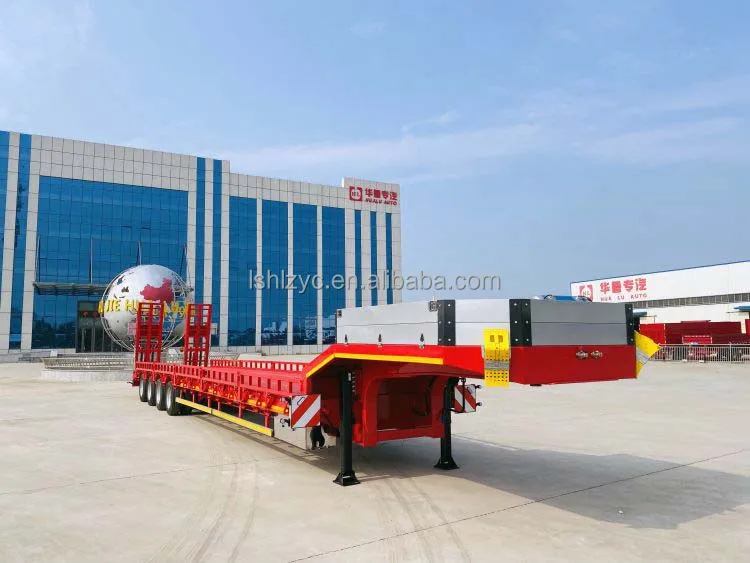
A customizable 4-axle lowboy semi-trailer with side-widening design, built to handle oversized construction and mining equipment without the need for multiple trips or expensive escorts.
In Ecuador, a transport operator put Hualu flatbed semi-trailers to work across the Andes. One day they carry containers; the next, steel, machinery, or oversized cargo. On steep, winding mountain roads, the trailer stays stable and secure, handling heavy loads with confidence. Its strong structure resists cold highland nights, fierce sun, heavy rain, and strong winds. Drivers report less downtime and more reliable trips. Because one trailer handles many jobs, the fleet earns more from every route—helping raise profit by 8%. Customers can also request custom configurations for their specific cargo and road conditions. From coastal ports to high mountain routes, Hualu Flatbed Semi-Trailer proves durable, versatile, and ready for Ecuador’s toughest transport challenges.