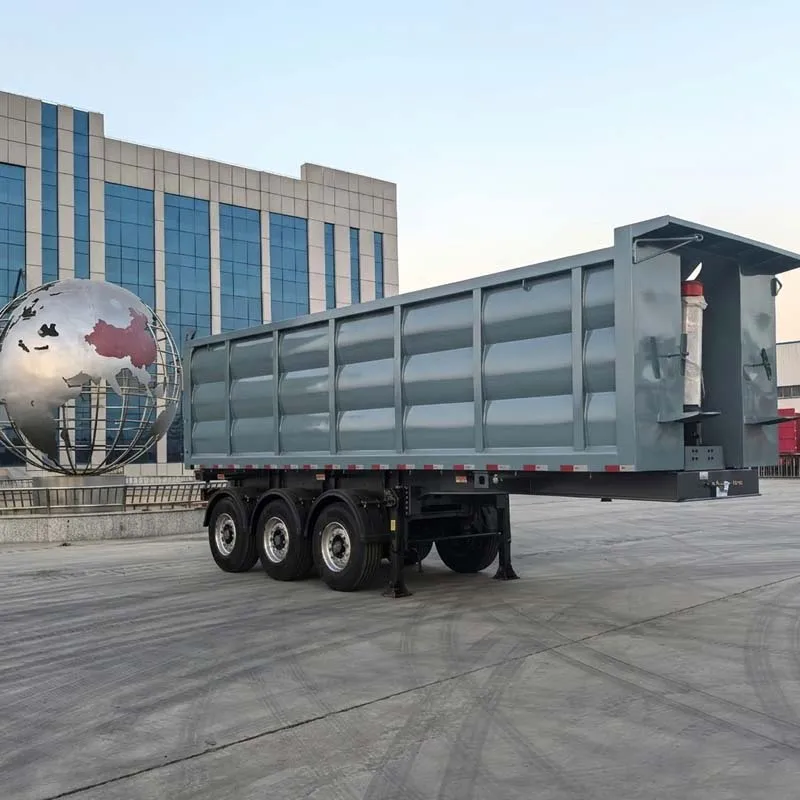
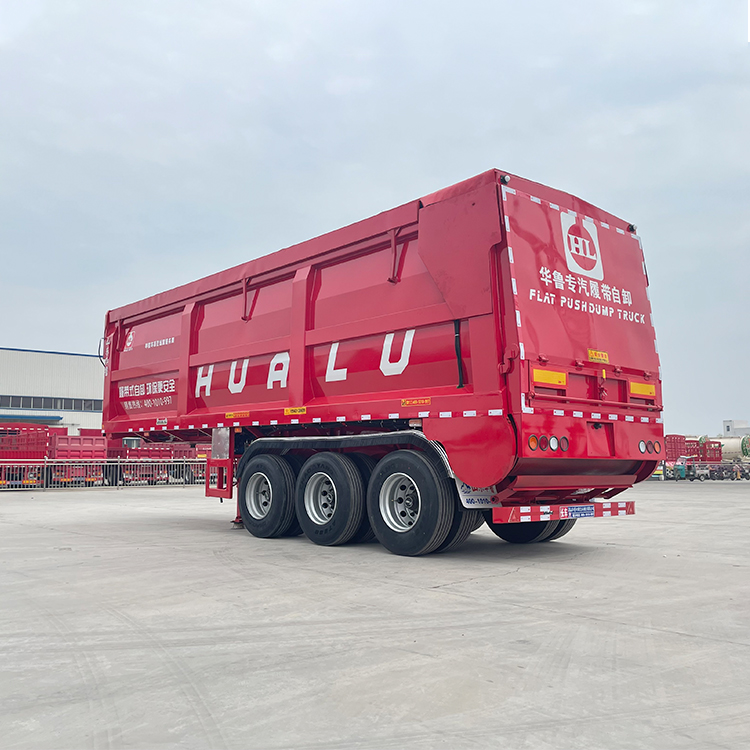
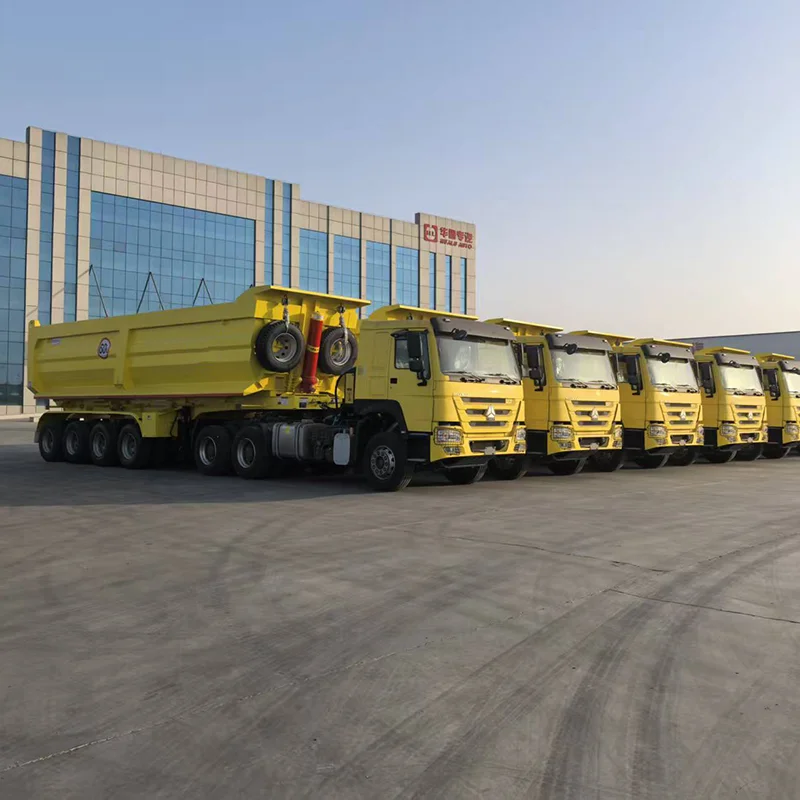
In the rugged terrain of central Kenya, a mid‑sized mining contractor struggled with frequent breakdowns and slow unloading cycles using conventional trailers. Switching to Hualu Rear‑Dump Semi‑Trailer transformed their operations. The advanced chassis geometry and heavy‑duty suspension delivered exceptional stability on steep, uneven haul roads, virtually eliminating dangerous tip‑overs and reducing accident‑related downtime by more than 70%. The high‑flow hydraulic system cut each dump cycle from 18 minutes to just 6 minutes, allowing the fleet to complete two additional loads per day. Faster turnaround meant lower fuel burn per tonne and less idle time for excavators. Within three months, maintenance costs dropped sharply, driver confidence soared, and the overall net profit margin climbed by a clear 12%. The Hualu trailer not only outperformed expectations but also became a visual standout at every site – its sleek design and reliable performance drawing inquiries from competing haulers. For Kenya’s fast‑growing infrastructure and mining sectors, this semi‑trailer has proven to be more than equipment; it is a competitive edge that combines safety, speed, and tangible financial returns.
A Saskatchewan fertilizer and grain hauler was losing time, product, and loads to winter freezing, cross-contamination, and slow end-tip unloading. After switching to Hualu belt trailers with horizontal floor discharge, the fleet cut unloading from 25 minutes to 9, eliminated load rejections from residue carry-over, and reduced product loss to near zero. The operations manager explains the numbers.
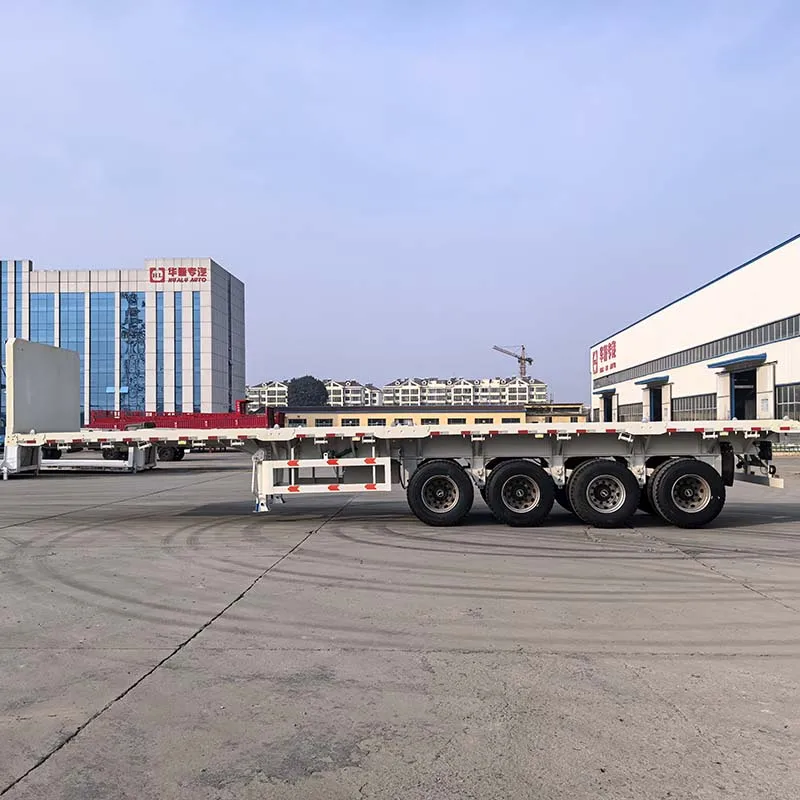
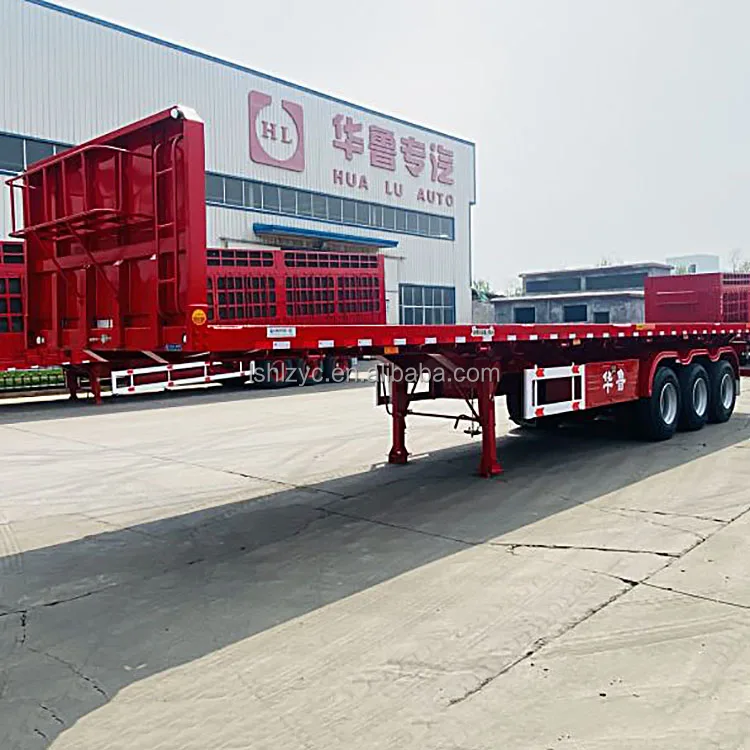
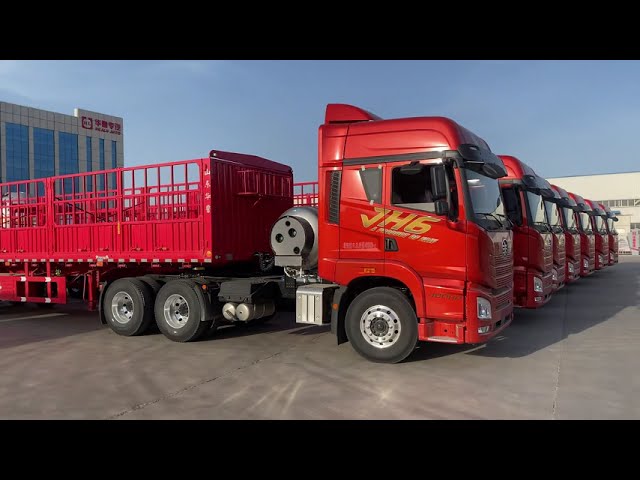
In Ghana’s dynamic logistics landscape, a prominent transport contractor faced a persistent challenge: their fleet lacked the flexibility to handle diverse cargoes, from shipping containers to bagged agricultural products. Switching between specialised trailers consumed time and ate into margins. The solution came with an order of 60 Hualu Flatbed Semi‑Trailers, each engineered with heavy‑duty container twist locks for secure, rapid 20‑ft and 40‑ft container transport, and a sturdy front header board that keeps palletised and bagged goods—such as cement, fertiliser, and cocoa beans—stable without extra lashing. Within five months of deployment, the operator slashed loading and unloading time by 30%, eliminated equipment‑swap delays, and achieved a measurable 10% rise in net profits. The trailers performed flawlessly on Ghana’s paved highways and laterite feeder roads alike, with fleet availability consistently above 97%. Drivers praised the forgiving suspension and excellent manoeuvrability. This real‑world case proves that the Hualu flatbed isn't just a trailer—it's a profit‑boosting, multi‑purpose workhorse tailored for West African commerce.
In 2024, a cold-chain logistics contractor based in Guadalajara, Mexico — hauling frozen berries and prepared produce from processing plants in Jalisco and Sinaloa to cross-border distribution hubs in Nuevo Laredo — was running 12 conventional reefer trailers and recording temperature excursions on 15% of trips, plus three cargo-spoilage claims per year from loads that fell out of the -18°C range. The causes were systemic: aging insulation with degraded R-value, worn door seals that leaked warm air at every dock stop, and reefer units under-specified for the 1,200 km desert crossing where ambient temperatures exceed 40°C. Each spoilage claim cost the carrier the full value of the load plus penalties from its retail customers. The company replaced its 12 reefers with 9 Hualu Refrigerated Semi Trailers featuring 100 mm polyurethane insulation, heavy-duty door seals, and a high-capacity reefer unit matched to the desert route, with a tare weight 1,100 kg lighter than the retired units. In the 16 months since deployment, the fleet recorded zero spoilage claims, temperature excursions fell below 1% of trips, and 9 Hualu reefers now move the volume that 12 conventional units handled — a 25% fleet reduction while cutting fuel consumption 13% and boosting payload per trip by 1.1 tonnes. This case study documents how a thermal-efficiency redesign eliminated the most expensive failure category in North America's busiest fresh-produce corridor.
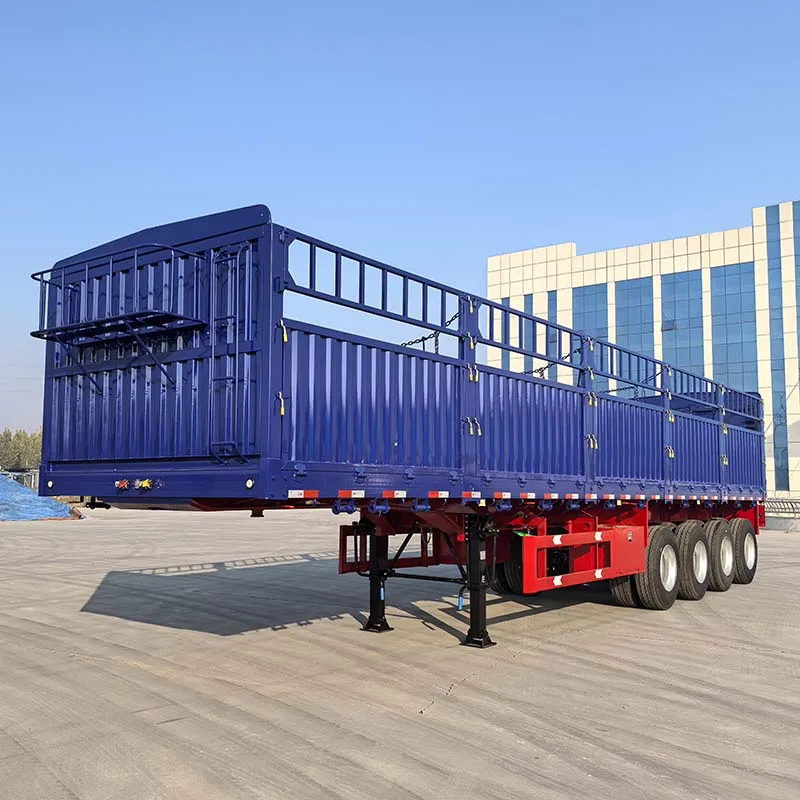
Global logistics demands equipment that adapts to diverse cargo and harsh environments. Discover how our customizable stake semi-trailers, available in both Factory and Premium configurations, solve the critical challenges of ventilation, loading efficiency, and cost management for international fleet operators.
Custom Dimensions. Heavy-Duty Performance. Flexible Configurations.
A flatbed semi trailer designed around your cargo, tractor, road conditions and budget — with Premium and Factory configurations to match different transport needs.
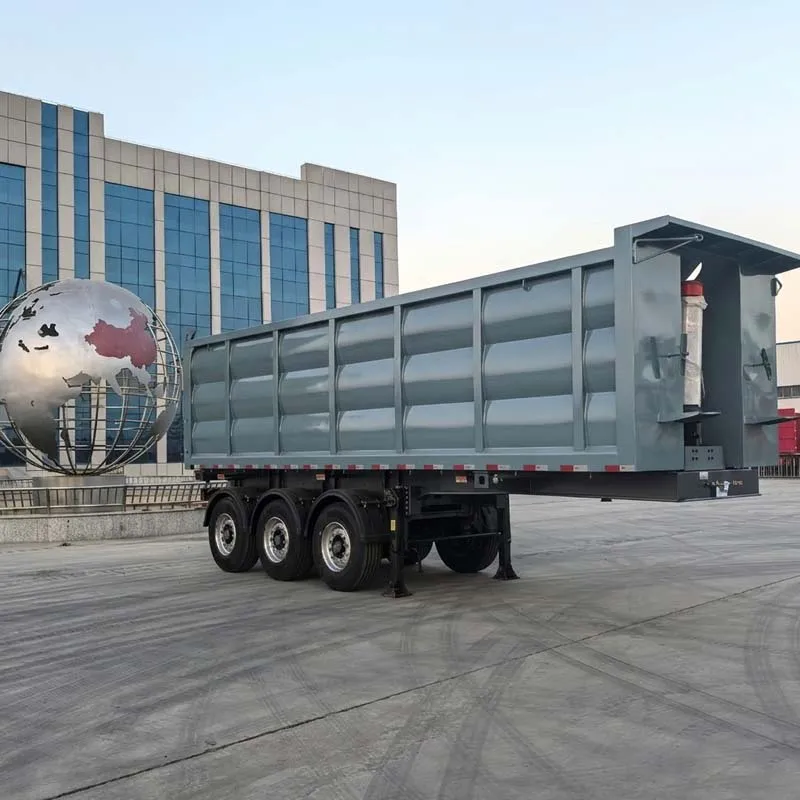
Heavy loads, rough mining roads and long transport cycles are major challenges in Guinea. Hualu's 3-axle rear tipper semi trailer, with a transport capacity of up to 100 tons, is built to carry more cargo per trip, unload faster and deliver reliable performance in demanding mining and construction operations.
In the rugged mining belt of Central Asia, a leading contractor faced constant setbacks with aging rear dumpers that broke down on steep, gravel-strewn haul roads and struggled through bitter winter freezes. After a demanding 60‑day field trial on a high‑altitude copper mine, the company placed a firm order for 80 units of the Hualu 3‑Axle Rear Dump Trailer. These rugged trailers now haul over 2,500 tonnes of ore and overburden daily across icy slopes and scorching summer pits. The heavy‑duty box frame and reinforced suspension absorb brutal shock loads, while the rapid hydraulic lifting system reduces dumping time to under 3 minutes – cutting cycle times by 22%. The fleet’s availability has soared to 95%, with tyre wear reduced by 18% thanks to superior axle alignment. The 80‑strong Hualu fleet has boosted overall site productivity by nearly 25%, proving that this rear dump trailer is not just a machine, but a true Central Asian heavy‑weight champion built for the region’s most punishing conditions.
In 2024, a construction-materials logistics contractor based in Manila, Philippines — hauling bulk cement from the cement plants of Bulacan and Pampanga to concrete batching plants across Metro Manila — was running 10 steel powder tankers and recording two chronic inefficiencies: an average of 1.6 tonnes of cement left behind in each tank after every discharge (about 4% of a 40-tonne load), and unloading times of 80 minutes per truck due to weak pneumatic pressure and clogging. The residual cement was not just lost product — it built up inside the tank, reduced effective capacity, and eventually required manual clean-out that took a truck out of service for a full day. The company replaced its 10 steel tankers with 8 Hualu Bulk Cement Tank Trailers featuring a fluidized-bed discharge floor, an optimized 45° hopper angle, a high-pressure air system, and a tare weight 1,200 kg lighter than the retired units. In the 18 months since deployment, residual cement fell to under 0.4% per load, unloading time dropped to 40 minutes, and 8 Hualu tankers now deliver the volume that 10 steel units handled — a 20% fleet reduction while cutting the cost per tonne of cement delivered by roughly 30%. This case study documents how a discharge-system redesign turned cement haulage's oldest inefficiency — product left in the tank — into a rounding error.