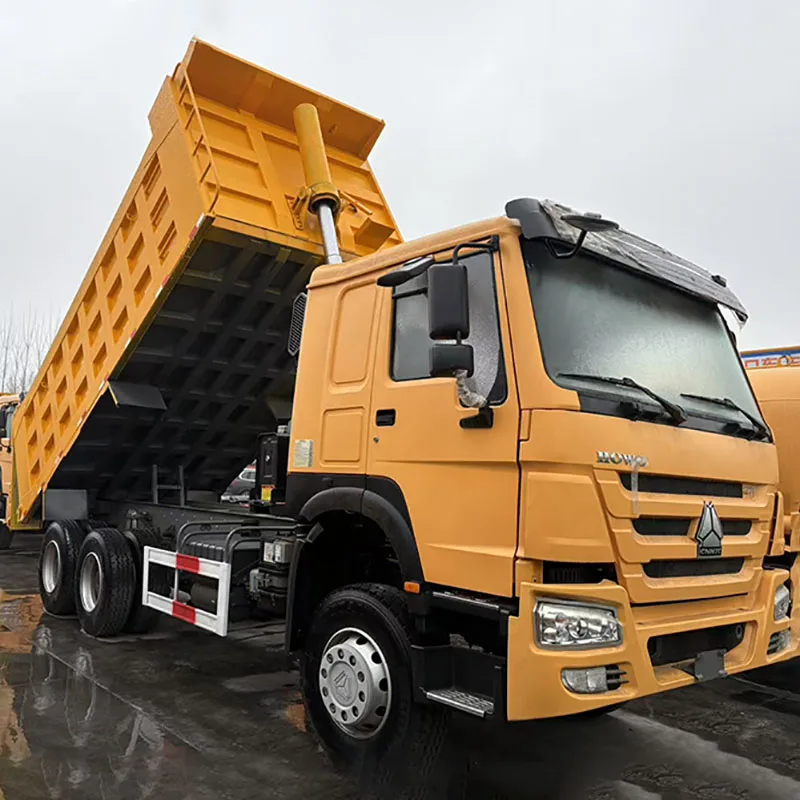
When every trip counts, a dump truck must do more than carry heavy loads. It needs to handle demanding roads, reduce unloading time, control operating costs, and keep working day after day. Our rear dump trucks are selected from trusted Chinese brands and matched to different working conditions, helping overseas customers find a practical solution for construction, mining, infrastructure, and bulk-material transportation.
In 2024, a container haulage contractor based in Hai Phong, Vietnam — moving 20-foot and 40-foot containers between the Hai Phong International Gateway Terminal and inland depots across northern Vietnam — was running 15 carbon-steel container chassis and recording an average of 12 corroded or cracked frames per year, plus two container drops per year from worn twist-lock releases. The twin failure mechanisms were well understood: salt-laden air off the Gulf of Tonkin combined with 80% monsoon humidity to accelerate corrosion at the unprotected weld joints of the chassis frames, while overloaded 40-foot containers — up to 35 tonnes on a chassis rated for 30 — fatigued the main beams and wore the twist locks down to the point of release. Each frame failure cost 30–45 days out of service for cut-and-weld repair, and each dropped container cost tens of thousands of dollars in cargo damage, crane downtime, and terminal penalties. The company replaced all 15 steel chassis with 11 Hualu Container Chassis (Skeleton) Trailers built on QSTE700 high-strength steel, hot-dip galvanized and marine-coated for coastal service, with heavy-duty twist locks and a tare weight 900 kg lighter than the retired units. In the 20 months since deployment, the fleet recorded zero frame failures and zero container drops, payload per trip rose by 900 kg, and 11 Hualu chassis now move the volume that 15 steel units handled — a 27% fleet reduction while cutting the cost per TEU delivered by roughly a third. This case study documents how a corrosion-spec upgrade and a twist-lock redesign eliminated the two most expensive failure categories in Southeast Asia's busiest container corridor.
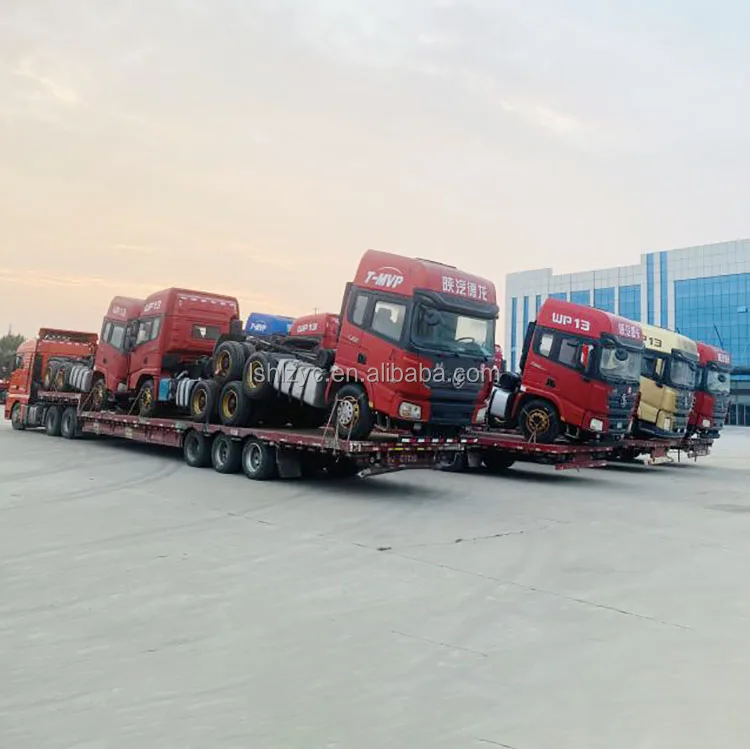
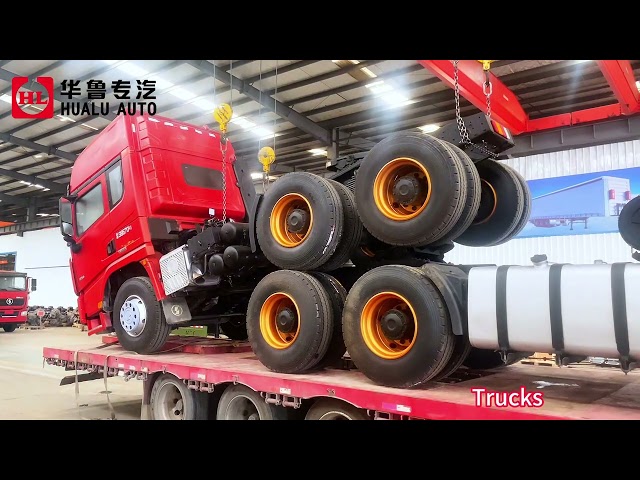
From extreme heat to long-distance highways, from heavy loads to demanding fleet operations — our Chinese-brand tractor trucks are configured to solve the real challenges of Middle Eastern transportation.
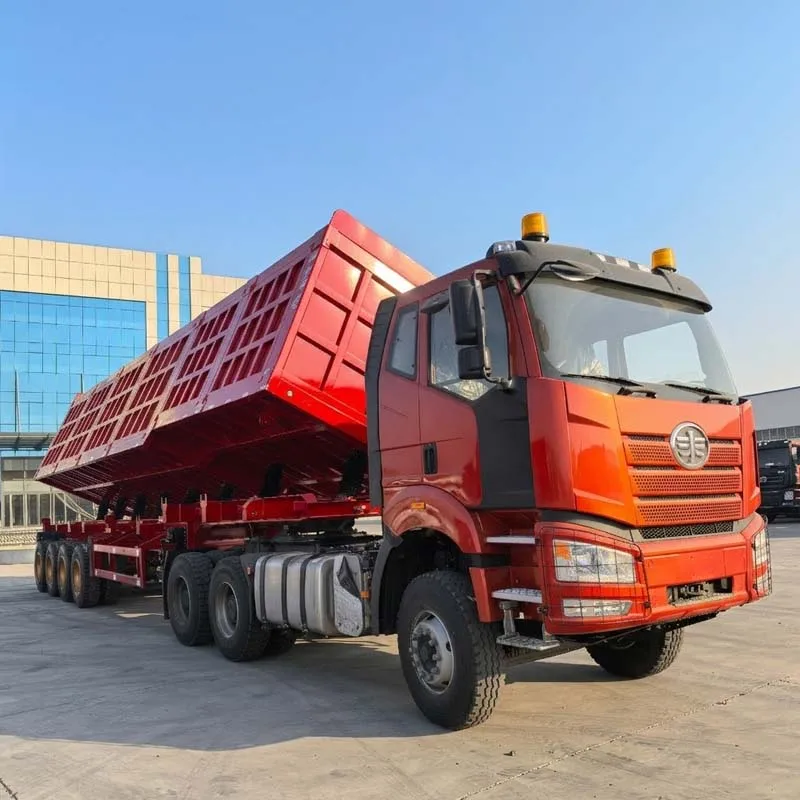
In a major aggregates operation in Ghana, a leading contractor faced chronic delays and high maintenance costs with conventional tippers. After rigorous on‑site trials, the company placed a landmark order for 150 units of the Hualu 120+ton Side Dump Semi Trailer. These trailers now haul thousands of tons of sand, gravel, and crushed stone daily from quarries to busy construction sites across the country. The side‑dump design enables rapid, clean discharge, cutting cycle times by nearly a third. More importantly, the trailer’s low‑centre‑of‑gravity chassis and heavy‑duty suspension deliver a measurable 9% improvement in roll stability compared to previous models – even on muddy laterite roads during Ghana’s rainy season. This translates into fewer load shifts, less tyre wear, and significantly reduced downtime. The customer reports that every trailer consistently carries maximum legal payloads without compromising safety. With this 150‑vehicle fleet, overall haulage productivity has jumped by over 20%, proving that the Hualu side dump is truly engineered for Ghana’s harshest conditions.
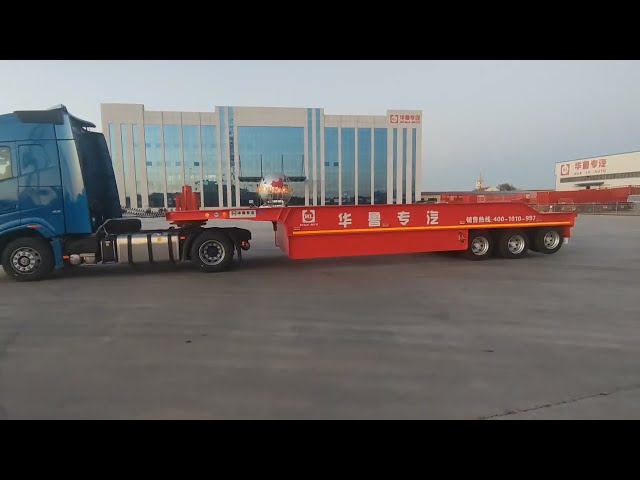
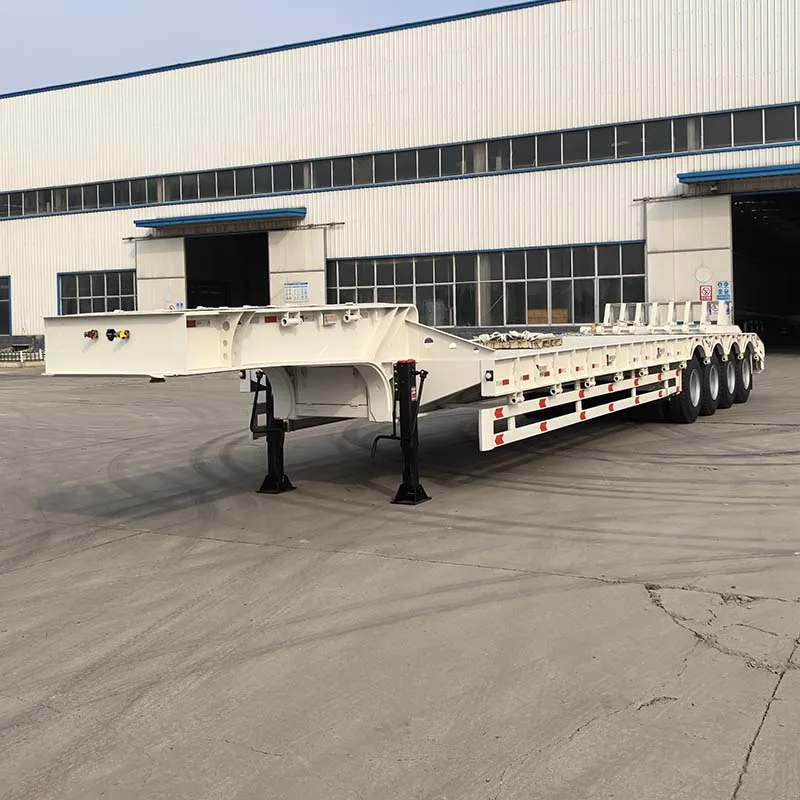
When your cargo is oversized, heavy, expensive, and difficult to load, the trailer should not become another problem. Our 4-Axle Lowbed Semi Trailer is designed to make heavy equipment transportation easier, more stable, and more adaptable to different jobsites.
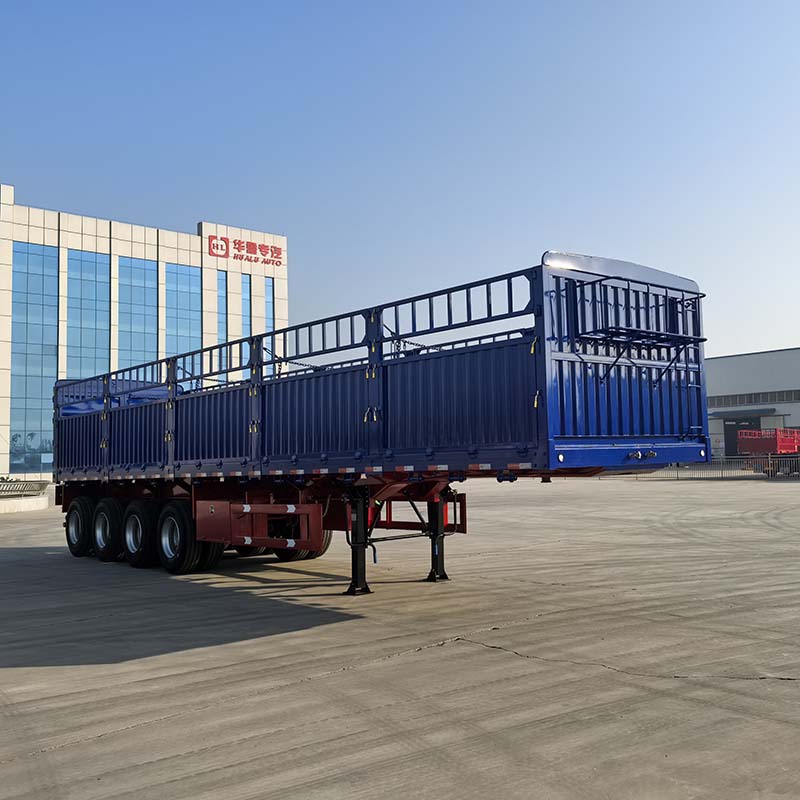
On Chile's sun-baked Route 5, 85 4-axle cargo semi-trailers with high wall fences make their weekly 1,200-kilometre round trips from the copper-rich Atacama to the bustling port of San Antonio. For a Santiago-based logistics operator, the detachable side fences have become the fleet's secret weapon. Monday morning: all fences locked in place, each hauling 30 tonnes of copper concentrate in sealed bags—totalling 2,550 tonnes to the docks. Tuesday afternoon: crews unbolt side panels in under 15 minutes per unit, transforming the entire fleet into open flatbeds, ready to carry massive mining equipment parts back north. Wednesday: fences reinstalled for a rush shipment of fresh Chilean cherries, the high walls keeping stacked crates secure through winding mountain passes across all 85 trailers. No more empty return legs. No more waiting for specialized trailers. One versatile workhorse design, scaled across 85 units, three distinct cargoes weekly—cutting fleet-wide downtime by 40% and turning every kilometre into revenue. For Chilean hauliers battling rugged terrain and tight schedules, these aren't just trailers. They are a mobile warehouse army that adapts as fast as the market demands.
In 2024, a fuel logistics contractor based in Tarkwa, Ghana — hauling diesel from the Takoradi and Tema terminals to gold mines across the Ashanti and Western regions — was running 8 carbon-steel tankers and recording an average of one internal corrosion leak every 8 operating days. The mechanism was well understood: West African diesel carries 500–3,000 ppm sulphur, which combines with tropical humidity to form weak sulphuric acid inside the tank, pitting and perforating carbon steel that offshore low-sulphur fuel would never attack. Each leak meant 24–48 hours of downtime, the loss of 500–2,000 litres of product, and — in an industry where a fuel spill inside a mine lease carries heavy environmental penalties — a compliance risk the contractor could no longer absorb. The company replaced all 8 steel tankers with 6 Hualu Aluminum Fuel Tank Trailers built on 5454 marine-grade aluminium with 5-compartment anti-surge baffling, full ADR-compliant safety systems, and a tare weight 3,300 kg lighter than the steel units they retired. In the 19 months since deployment, the fleet recorded zero corrosion leaks, payload per trip rose by 5,000 litres, and 6 Hualu tankers now deliver the volume that 8 steel units handled — cutting the fleet by 25% while halving the cost of fuel delivered per litre. This case study documents how a material change — steel to aluminium — eliminated a corrosion category that West African hauliers had accepted as the unavoidable price of high-sulphur fuel.
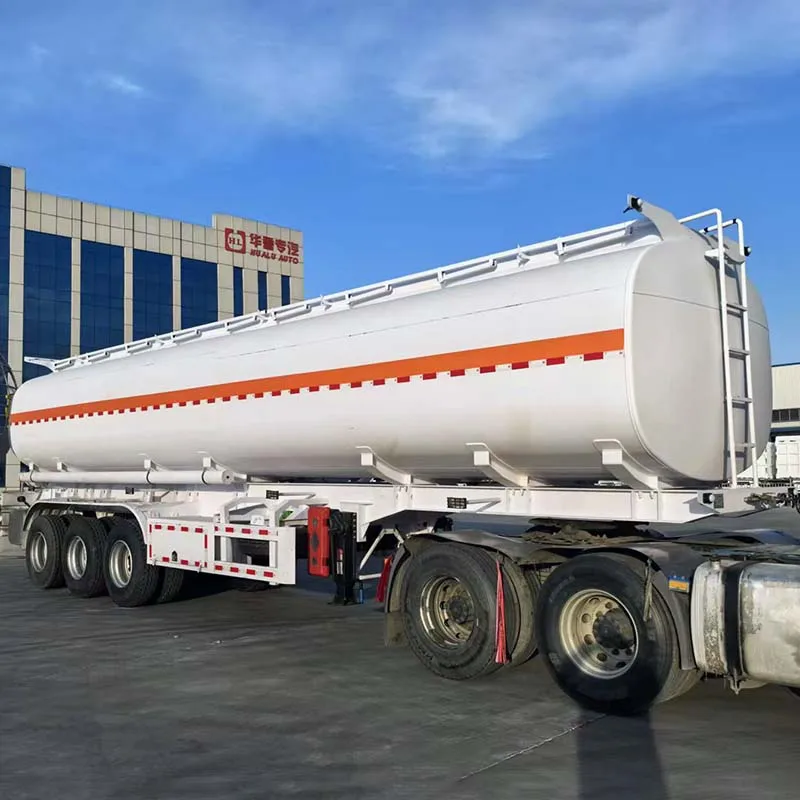
On the rugged N1 highway between Cape Town and Johannesburg, a Hualu 3-axle 60CBM tanker glides through the Karoo heat. For Piet, a fleet owner in Gauteng, these trailers have cut his spillage incidents by 90% over two rainy seasons—the anti-roll baffles and low-center design keeping 60,000 litres of diesel stable through mountain passes and sudden crosswinds. His drivers report fewer fatigue scares, thanks to the responsive air suspension that absorbs washboard gravel. Meanwhile, maintenance logs show brake-pad life extended by 40%, and each unit delivers an extra 1,200 litres per trip thanks to precise calibration. With 80units trailers now running 24/7 to copper mines in the north, Piet’s monthly net margin has climbed 18%—not from hauling more, but from losing less, stopping safer, and servicing faster at local workshops that know every valve. For South African hauliers, this tanker isn’t steel and rubber; it’s a bankable partner in a volatile market.
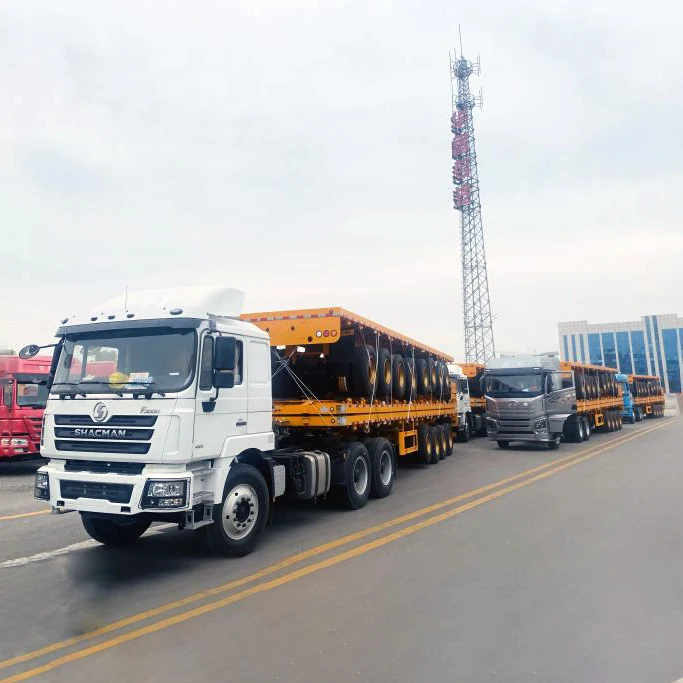
Global freight demands flexibility, not compromise. Discover how our customizable flatbed semi-trailers, available in both cost-effective Factory and high-end Premium configurations, are engineered to solve the unique logistical pain points of international transport operators.