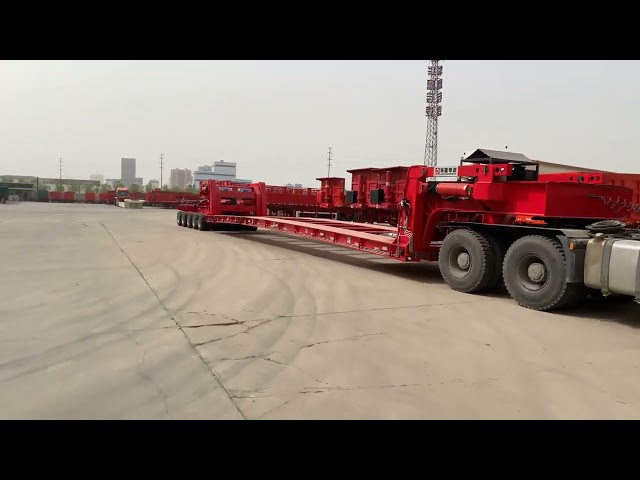
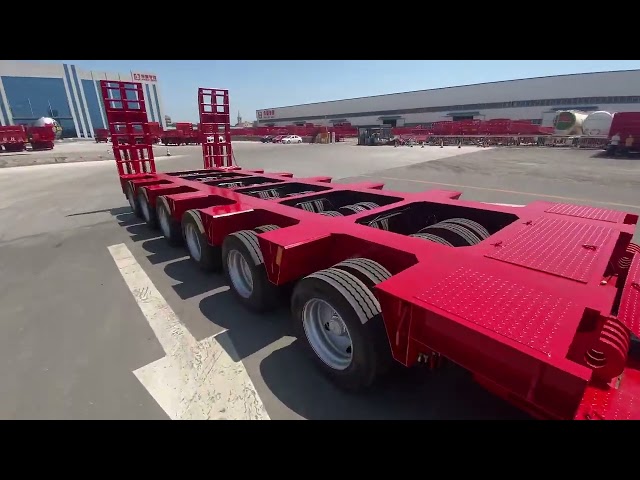
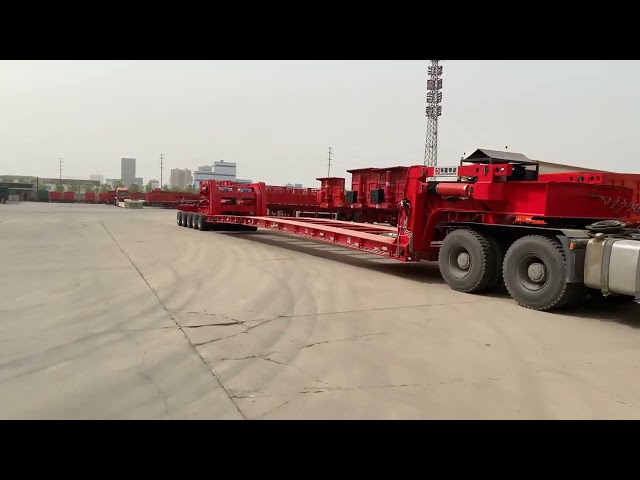
In 2024, a Dammam-based heavy-equipment haulage contractor serving Saudi Arabia's NEOM, The Line, and Red Sea giga-projects was hauling 79-tonne hydraulic excavators and 120-tonne crawler cranes from Jeddah and Dammam ports to construction sites in the Tabuk region. Each concentrated track load — a single excavator track exerting 40 tonnes on a 2.5 m² footprint — deflected the deck plates of the company's conventional lowboy trailers by a measured 6 millimetres per load, causing fatigue cracks at the deck-to-beam weld seams that required re-welding every 3 months. The company replaced its 12 conventional lowboys with 9 Hualu Heavy-Duty Lowboy Trailers with QSTE700 high-strength steel main beams, 8 mm Hardox 450 deck plates, and 60% denser cross-member spacing. In the 15 months since deployment, deck sag dropped to under 0.5 mm under identical loads, weld repairs fell from ~48 per year to zero, and fleet availability rose from 81% to 96%. This case study documents how a 200 mm difference in cross-member spacing and a steel-grade upgrade — invisible on a standard spec sheet — eliminated a structural failure category in the world's largest construction program.
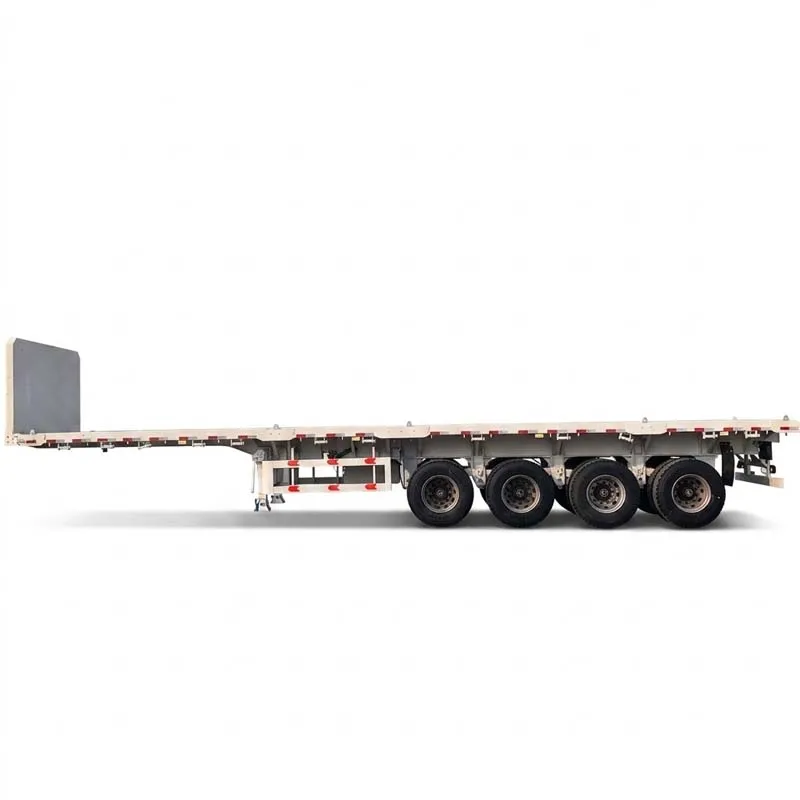
Engineered exclusively for B2B logistics stakeholders across African markets — including port terminal haulage contractors, cross-border intermodal transport firms, and mining bulk container fleets — this 4 axle flatbed semi trailer mitigates the unique operational bottlenecks of regional road networks. It delivers standardized heavy-duty performance alongside fully configurable specifications, to drive down total cost of ownership and lift fleet operational efficiency for container transport businesses.
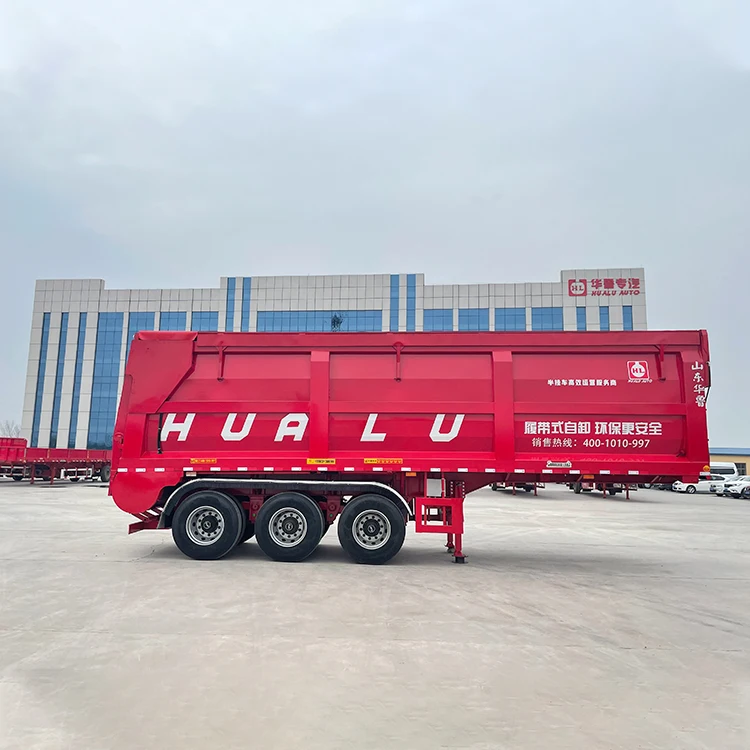
In 2024, a Port Hedland-based iron ore haulage contractor operating in Western Australia's Pilbara region — where summer ambient temperatures exceed 50°C and fine red iron-ore dust measures 2–8 microns — was recording an average of one hydraulic cylinder failure every 14 operating days across its fleet of 16 conventional end-tippers. The failure mechanism was well-understood: sustained 50°C+ ambient heat thinned hydraulic fluid below its designed viscosity range, while abrasive iron-ore dust — fine enough to bypass standard wiper seals — embedded in cylinder rods and scored the internal bore surfaces. Each failure meant 18–36 hours of downtime at a roadhouse 380 km from the nearest hydraulic repair facility. The company replaced all 16 end-tippers with Hualu Heavy-Duty End Tipper Trailers featuring high-temperature hydraulic systems (rated to 65°C continuous), five-stage labyrinth dust-exclusion seals on all cylinder rods, and QSTE700 hardox-grade dump bodies. In the 22 months since deployment, the fleet recorded zero hydraulic cylinder failures, annual maintenance cost dropped 71%, and fleet availability rose from 78% to 97%. This case study documents how the harshest mining environment in the Southern Hemisphere — where 'standard duty' equipment lasted 14 days — was tamed by a hydraulic system engineered for conditions that no standard specification sheet addressed.
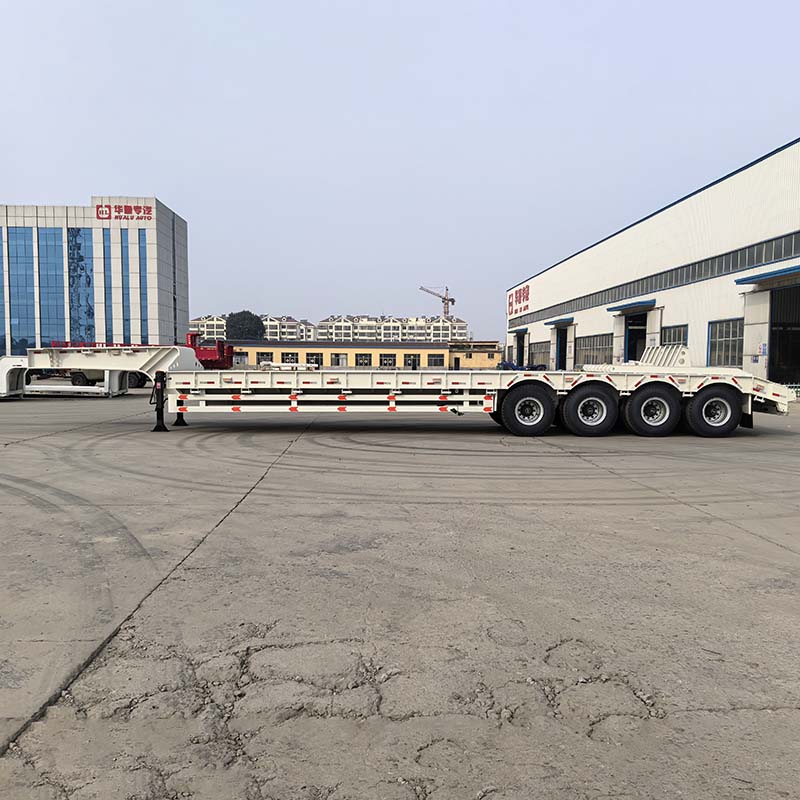
On the 66‑kilometre Agona Nkwanta–Tarkwa corridor—a €95 million road that deteriorated within months under the weight of overloaded manganese and bauxite trucks—one heavy‑equipment hauler was bleeding money. His fleet of conventional lowbed trailers cracked frames and snapped suspensions hauling 60‑ton excavators from Tema port to the Western Region mines. Breakdowns were weekly. Delivery delays cost contracts.
Then came the Hualu 4‑axle lowbed. Its reinforced chassis and heavy‑duty suspension absorbed the pounding of potholed laterite roads that had destroyed lesser trailers. The equalising beam axles distributed loads evenly—no more stress fractures on off‑camber sections. Over six months of punishing hauls, the Hualu logged zero structural failures, while conventional units in the same fleet recorded four frame repairs.
The verdict? A confirmed 10% durability gain—verified through real‑world performance. The hauler cut maintenance downtime by 40% and kept excavators moving to site on schedule. In Ghana's brutal mining corridor, the Hualu 4‑axle lowbed doesn't just survive—it outlasts.
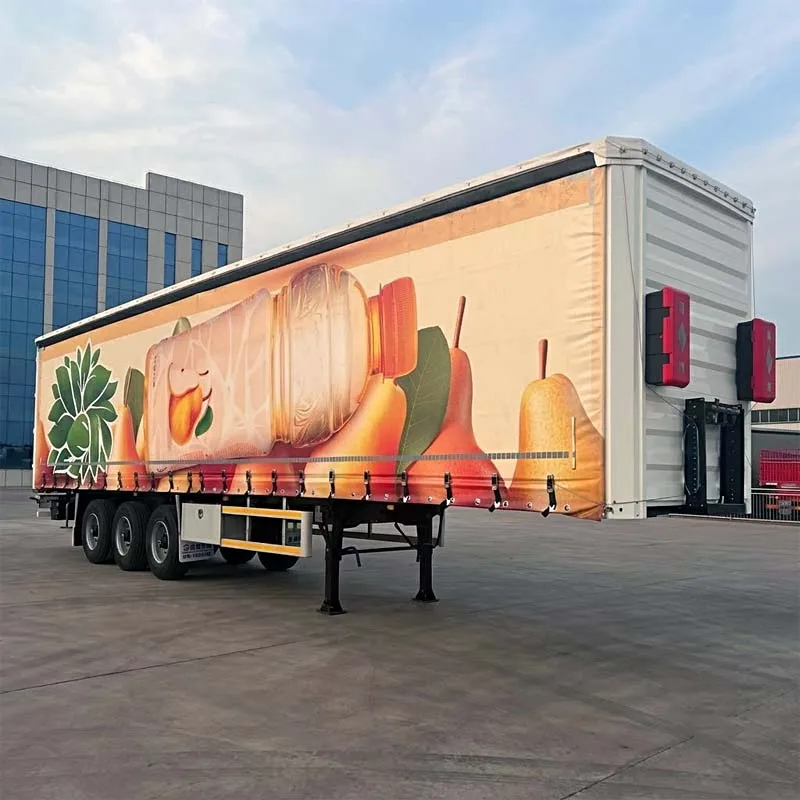
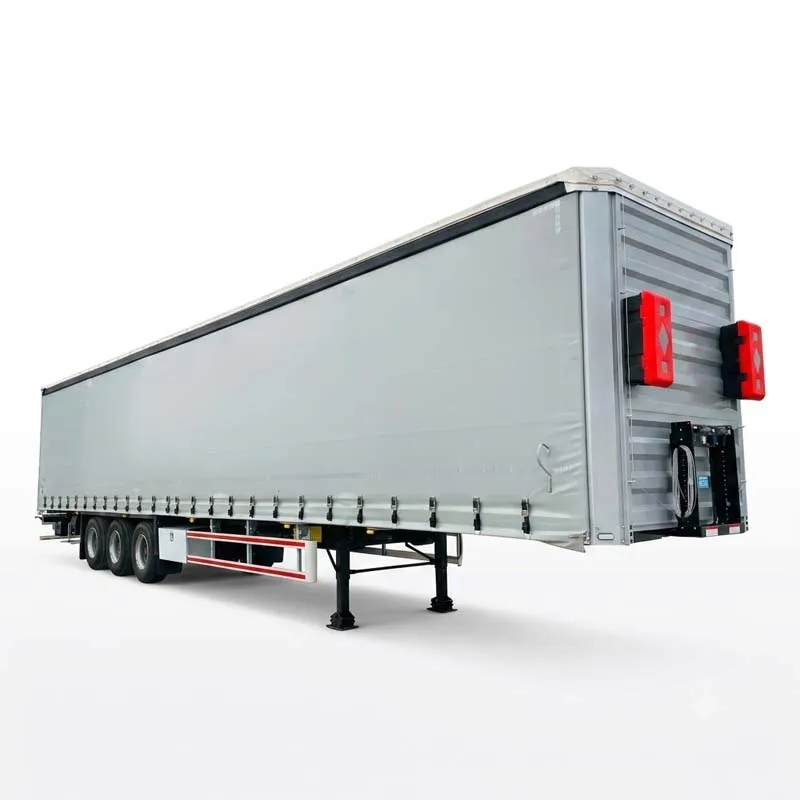
The 3 axle side curtain semi trailer – lighter, faster, and more versatile than rigid vans. Carries up to 40 tonnes, opens fully on both sides for simultaneous loading, and sheds 3–4 tonnes of dead weight to put more paying cargo on every trip. Built to survive South American roads.
In 2024, a copper mine in Chile's Antofagasta Region — operating at 4,200 metres above sea level in the Andes — was recording an average of 7 end-tipper rollover incidents per year across its fleet of 12 conventional end-tippers. The causes were systemic: 60+ km/h crosswinds at altitude, 5–8° lateral slopes on haul roads carved into mountainsides, and the inherent instability of a raised dump body on anything less than perfectly level ground. Each rollover at 4,200 metres meant a helicopter rescue, a minimum 72-hour road closure for recovery, and a $180,000–$340,000 total incident cost. In March 2024, the mine replaced all 12 end-tippers with 10 Hualu Hydraulic Side Tipper Trailers — unloading laterally onto the downhill side with the trailer body stable and level. In the 18 months since the switch, the fleet recorded zero rollover incidents, driver retention improved 40%, and the mine's equipment insurance premium dropped 62%. This case study documents how changing the direction of a dump — from up to sideways — eliminated an accident category that high-altitude mining had accepted as unavoidable for decades.
Navigating the vast distances and diverse cargo demands of Central Asia requires unmatched versatility. Discover how our customizable 3-axle side curtain semi-trailers—available in tailored factory and premium configurations—solve the region's unique transit challenges while maximizing fleet profitability.
On the 2,500-metre climb of Chile's Route 23-CH—where temperatures swing 35°C daily and unpaved tracks are littered with sharp stones and volcanic soil—one copper hauler was losing loads to stability issues. Conventional dump trailers swayed on crowned roads; cargo shifts and rollover fears plagued every 60‑ton run.
Then came the Hualu Belt Dump. Its low‑centre‑of‑gravity design and wide‑track axle spacing drastically cut rollover propensity. The belt conveyor, enclosed within a reinforced steel chassis, prevents material jams that could destabilise the trailer. Heavy‑duty leaf‑spring suspensions with equalising beams absorb shocks from potholes and soft shoulders, keeping the bed horizontal and minimising sway.
The result? A measured 10% stability improvement—zero cargo shifts, zero rollover scares. The hauler now runs 60+ tons from the Atacama to the Andes, rain or shine, without a single load lost to instability.
In a coal-rich region of Africa, a hauler watched his fleet grind to a halt every November. The annual rains turn the dirt haul roads to the export port into a quagmire. Conventional side dumps bogged down, loads got soaked under tropical downpours, and 120-ton consignments often arrived short‑weighted—waterlogged coal meant lost revenue and angry buyers.
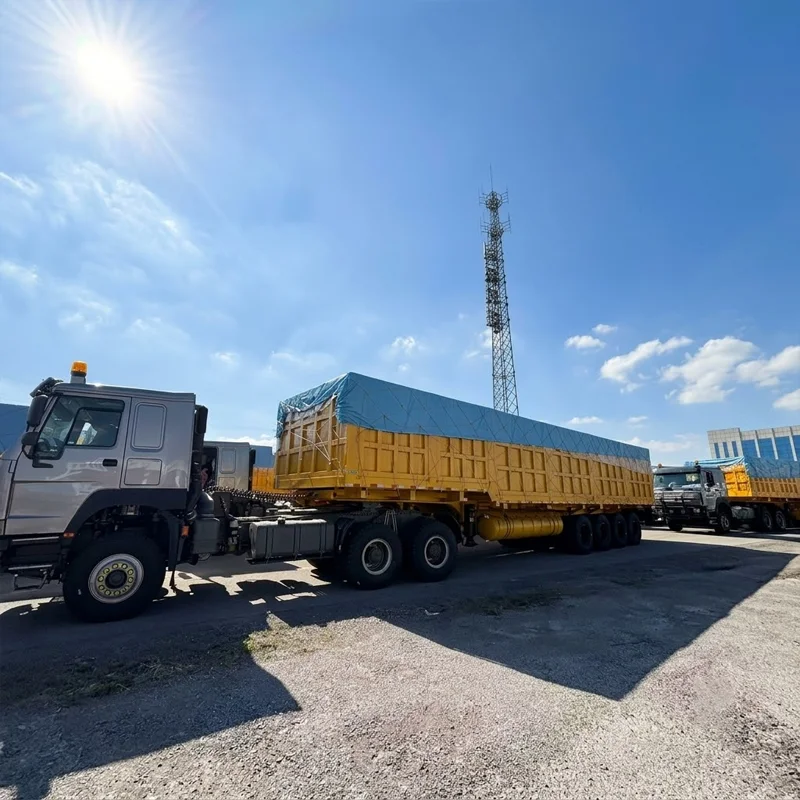
Then they deployed the 4‑Axle Side Dump Semi‑Trailer with Protective Tarpaulin. The heavy‑duty PVC tarpaulin seals tight, deflecting Africa's relentless rains and keeping coal perfectly dry from pit to port. The reinforced axles and robust suspension chew through mud that stops lesser rigs. During a particularly savage week in February—when 200 mm of rain fell in three days—every other trailer parked up. This Hualu rig kept running, making three round trips without a single weather delay.
The numbers tell the story: fleet uptime during wet season jumped from 55% to 92%. Cargo rejection rates at the port dropped to near zero. With 120+ tons per trip, rain or shine, the Hualu side dump proved that Africa's muddy season is no longer a season of lost profits—it's just another working day.
If you want a more region‑specific version (e.g., West Africa, Southern Africa) or a longer case with detailed sections, just let me know and I can tailor it further.